
Skin Allergy Treatment
Expert diagnosis and relief for sudden rashes, hives, and contact dermatitis.
Recommended
Consultations as needed for flare-ups or testing
Medical Overview & Science Behind The Treatment
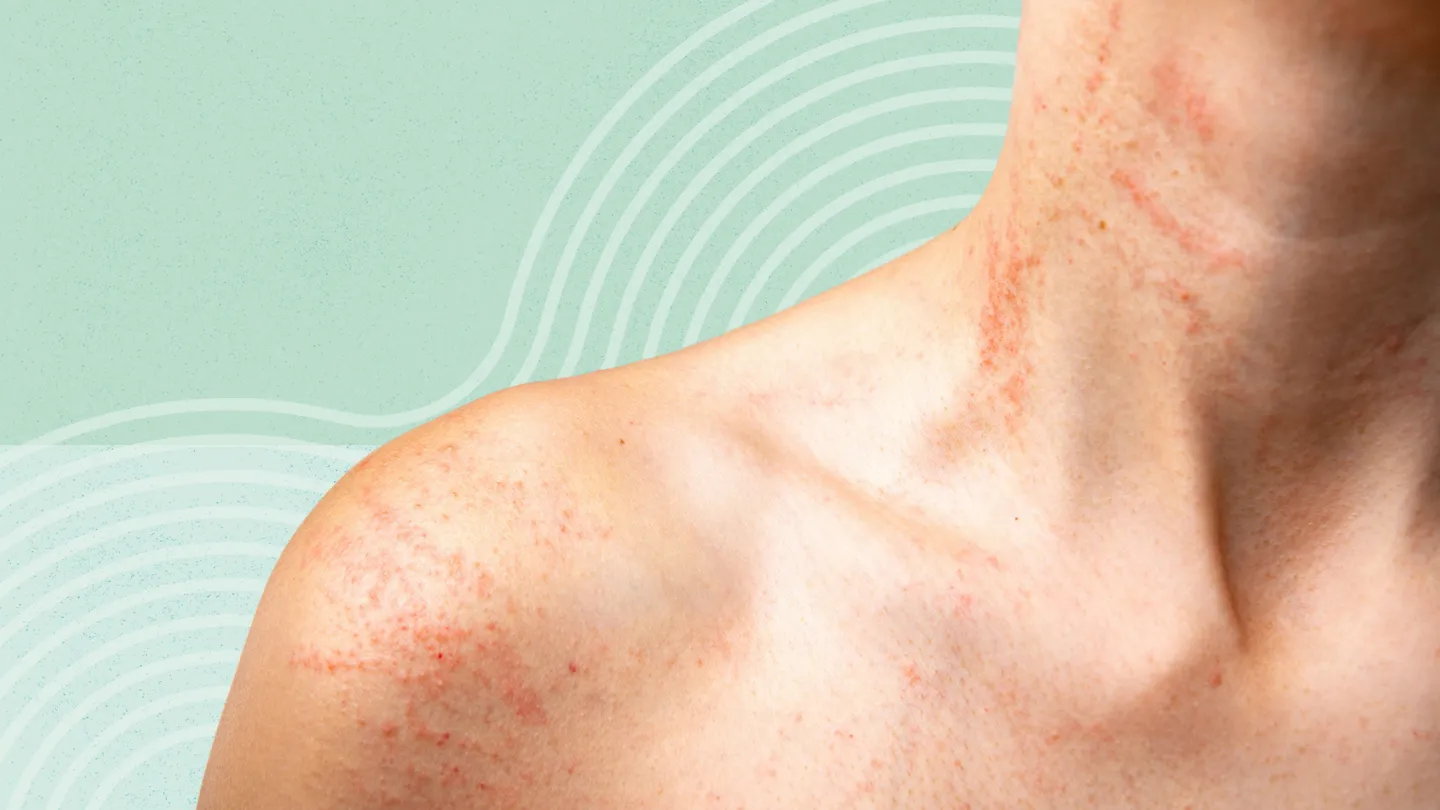
Sudden itching, red rashes, swelling or hives can appear for many reasons. We help you find the trigger and control the symptoms for conditions like urticaria, contact dermatitis, and allergic rashes.
Why Choose Swarn Clinic for Skin Allergies
- Thorough investigation to identify specific allergy triggers.
- Comprehensive approach focusing on cause rather than just hiding symptoms.
- Guidance on preventive measures and gentle skin care.
Is This Treatment Right For You?
You are an ideal candidate for this procedure if you experience any of the following concerns:
How The Procedure Works: Step-by-Step
Our structured 4-step medical protocol ensures precision, comfort, and maximum results.
Symptom Review
Detailed discussion about the timing of symptoms, products used, and environmental exposure.
Clinical Examination & Testing
Examining the rash and performing patch testing or blood tests if needed.
Symptomatic Relief
Prescribing antihistamines, soothing lotions, or anti-inflammatory medicines to calm the skin.
Trigger Avoidance Plan
Creating a personalized plan to avoid identified allergens and prevent future episodes.
Pre-Treatment Guidelines
- Keep a diary of foods, products, and activities before flare-ups.
- Take clear photos of the rash if it comes and goes.
Post-Treatment Care & Maintenance
- Strictly avoid identified triggers.
- Use fragrance-free, gentle skincare products.
- Do not scratch the affected areas to prevent infection.
Frequently Asked Questions About Skin Allergies
Got more questions? Our doctor is available to answer them during your consultation.
Can skin allergies appear suddenly?
Yes. You can develop an allergy to something you used safely for years.
How long do hives last?
Acute hives often settle within days to weeks. Chronic hives can last longer and need medical care.
Is patch testing necessary?
It is useful when contact allergy is suspected. The doctor will decide.
Can I take antihistamines on my own?
They are common medicines, but it is better to get advice first, especially if symptoms repeat.